




Thanh Tam Bui, Viet Dung Bui, Duc Quy Vu*
T. T. Bui¹˒², V. D. Bui³, D. Q. Vu⁴ (*)
¹ Faculty of Marketing, School of Business and Finance, Thu Dau Mot University, Ho Chi Minh City, Vietnam
² Postgraduate School, Lac Hong University, Dong Nai Province, Vietnam
³ Data Engineering Department, TechData.AI LLC, Ho Chi Minh City, Vietnam
⁴ Faculty of Economics and Management, Victoria Pacific University, Khanh Hoa Province, Vietnam
Abstract:
Driven by the global transition toward sustainable production, Green Supply Chain Management (GSCM) has become a critical capability for small and medium-sized enterprises (SMEs) operating in competitive international markets. Current GSCM scales remain predominantly production-centric, leaving the discipline's external, network-facing dimensions underexplored. To address this gap, this study synthesizes the measurement literature to establish a nine-variable external-capability framework, classified into three operational clusters. The Analytic Hierarchy Process (AHP) was then used to prioritize these elements in the Vietnamese SME sector, based on structured pairwise comparisons from an 11-member expert panel. The derived model demonstrated high mathematical integrity, with all matrices falling within acceptable consistency bounds (CR ≤ 0.10) and rankings stable under a 12-scenario sensitivity perturbation. The results identify Customer and Market Collaboration as the primary strategic driver (weight = 0.605), with Customer Environmental Monitoring, Green Marketing, and Customer Collaboration securing the highest global weights. These outputs provide a verified strategic framework for resource-constrained SME managers to focus organizational capital on high-yield external capabilities, thereby moving the GSCM discourse beyond traditional internal boundaries.
Keywords: AHP method, External capability, Green Supply Chain Management, Small and Medium-sized Enterprises (SMEs), Vietnam
Nomenclature
AHP: Analytic Hierarchy Process
CC: Customer Collaboration
CEM: Customer Environmental Monitoring
EC: Environmental Collaboration
ED: Eco-design
EMS: Environmental Monitoring of Suppliers
GP: Green Purchasing
GM: Green Marketing
GSC: Green Supplier Cooperation
GSCM Green Supply Chain Management
NAPCE: National Action Plan for Circular Economy
RBV: Resource-Based View
RL: Reverse Logistics
SME: Small and Medium Enterprises
1. Introduction
Over the past century, the debate over balancing industrial expansion with environmental degradation has spurred a global discourse on resource sustainability. Reconciling economic growth with ecological preservation requires an aggressive transition toward sustainable operational frameworks. In this context, Vietnam's National Action Plan for the Circular Economy (NAPCE) to 2035 establishes formal regulatory benchmarks to steer enterprises toward systemic waste minimization and resource optimization. For small and medium-sized enterprises (SMEs), adherence to these eco-friendly governance mandates also serves as a strategic means of securing market access abroad (Larrán Jorge et al., 2016; Singh et al., 2024). Green Supply Chain Management (GSCM) is the primary mechanism for this transition. It improves resource use and reduces costs (Rao & Holt, 2005), strengthens institutional credibility in international collaborations (Laosirihongthong et al., 2013), and helps dismantle increasingly rigid export and regulatory barriers (Zhu & Sarkis, 2007; Zizi et al., 2024).
GSCM remains imperative for the export readiness and competitiveness of Vietnamese SMEs. However, current measurement tools primarily assess internal functions. For resource-limited SMEs, GSCM acts more as an external ability, indicating their capacity to engage, learn, and integrate into global supply networks. Consequently, developing a systematic set of GSCM measurement criteria focused on external, partner-linkage capabilities is fundamental. The absence of such criteria for SMEs in Vietnam's transitional economy highlights a notable research gap. To bridge this boundary, this study systematically addresses three research objectives. At first, we identify the baseline variables currently used to quantify macro-level GSCM practices. Next, the focus narrows to identifying indicators that explicitly capture a firm's outward-facing collaboration capabilities. Ultimately, these metrics are prioritized to develop a tailored evaluation framework suitable for the Vietnamese SME sector.
2. Theoretical Background
2.1 Green Supply Chain Management
Rather than operating in isolation, GSCM expands traditional logistics frameworks by systematically integrating environmental considerations. This ecological oversight begins at the product design phase and extends through sourcing, manufacturing, distribution, and end-of-life recovery (Srivastava, 2007; Zhu & Sarkis, 2004), persisting throughout the entire product lifecycle (Dhull & Narwal, 2016). Modern GSCM is inherently dependent on the lifecycle. At the operational level, these practices manifest in green procurement, packaging, and logistics (Luthra et al., 2011). The overall objective centers on the synchronized management of material, information, and financial flows. Ultimately, such alignment ensures that enterprises fulfill their strategic goals across all three pillars of sustainable development (Seuring & Müller, 2008).
2.2 GSCM as an External Capability
Conceptualizing GSCM as an external capability is well justified by three distinct theoretical foundations. From the perspective of Stakeholder Theory, intense pressure from primary customers and non-governmental organizations compels management to translate external social expectations into actionable monitoring and support mechanisms within the supply network (Shahlan et al., 2018; Mollenkopf et al., 2010; Srivastava, 2007). These pressures do not act in isolation. Institutional Theory complements this dynamic by illustrating how external capabilities allow enterprises to navigate ecological regulations fluidly, thereby transforming external regulatory anxieties into catalysts for strategic transformation (Geng et al., 2017; Leonidou et al., 2012). Finally, the Resource-Based View (RBV) classifies these external linkages as scarce, inimitable assets. By leveraging partners' capabilities and aligning with customer expectations, resource-constrained firms can systematically mitigate internal deficits, optimize product lifecycles, and curtail emissions (Geng et al., 2017). Consequently, this relational integration yields simultaneous advancements in both environmental and financial performance (Aunyawong et al., 2024).
3. Literature Review and Research Gap
A Scopus-indexed review of 74 studies confirms that GSCM drives resource optimization, cost efficiency, brand credibility, and regulatory compliance for SMEs (Rao & Holt, 2005; Laosirihongthong et al., 2013; Zhu & Sarkis, 2007; Zizi et al., 2024). Digitalization accelerates these outcomes. Specifically, integrating digital tools reinforces both circular economy metrics and broader market performance (Kshetri, 2018; Ajike et al., 2025). Within this digitalized framework, internal eco-design, proactive environmental management, and close customer collaboration emerge as the primary levers for balancing economic growth with sustainability goals (Park et al., 2022; Olekanma et al., 2024). Although GSCM measurement approaches remain heterogeneous, academic consensus has traditionally centered on a foundational four-dimensional model encompassing internal environmental management, green purchasing, customer collaboration, and eco-design (Al-Ghwayeen & Abdallah, 2018; Kim et al., 2021; Park et al., 2022; Aunyawong et al., 2024). Variations abound across the literature. This baseline is frequently extended to a five-factor structure by integrating investment recovery (Zaid & Sleimi, 2021), reverse logistics (Geng et al., 2017; AlBrakata et al., 2023), or environmental education (Sarwara et al., 2021). Concurrently, alternative frameworks emphasize localized operational and logistics processes (Wongthongchai & Saenchaiyathon, 2019; Bolaji et al., 2024; Phonthanukitithaworn et al., 2024) and also introduce an expanded seven-dimension scale spanning internal management, partner monitoring, eco-design, circularity, and green manufacturing. Collectively, this conceptual pluralism demonstrates that GSCM transcends basic technical activities to orchestrate strategic interactions across the value chain.
Across the contemporary literature, GSCM measurement remains heavily anchored in internal execution and localized self-improvement (Zaid & Sleimi, 2021; Geng et al., 2017). Current frameworks predominantly evaluate the concept either as a reactive stance to external pressures (Shahlan et al., 2018) or as a technical-operational mechanism for managing supplier-distributor transactions (Phonthanukitithaworn et al., 2024). This internal orientation leaves a critical blind spot. Although GSCM's contributions to national macro-growth (Bolaji et al., 2024) and export readiness (AlBrakata et al., 2023) are well documented, existing metrics rarely delineate GSCM as an outward-facing connectivity capability. Consequently, the precise mechanism through which SMEs leverage these relational networks to construct a durable, differentiation-based competitive advantage remains underspecified (Leonidou et al., 2012). This study directly addresses this omission by shifting the measurement paradigm from isolated internal activities to external network connectivity and governance capabilities.
4. Conceptual Framework
GSCM, as an external capability, reflects an enterprise’s strategic connectivity and network adaptability, as evidenced by collaborative environmental monitoring with supply chain partners (Phonthanukitithaworn et al., 2024). Upstream, green procurement enables firms to capture external partner resources (Khan et al., 2024; Geng et al., 2017). Downstream, customer collaboration facilitates eco-design, green packaging, and lifecycle extensions (Paletta et al., 2026). These relationships are further reinforced by reverse logistics configurations that absorb the network's recycling infrastructure (Khan et al., 2024; Geng et al., 2017). Consequently, this relational competence allows enterprises to mitigate stakeholder pressures (Aunyawong et al., 2024; Shahlan et al., 2018), utilizing public ecological sensitivity and market intensity as external benchmarks for green transformation (Leonidou et al., 2012). This structural progression from external drivers to performance outcomes is visually summarized in Fig. 1.
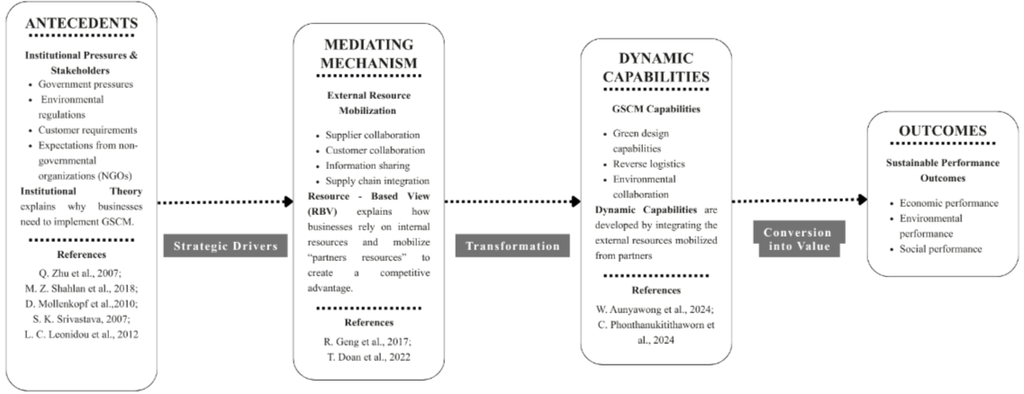
Fig. 1. The conceptual framework of GSCM Value Creation and Capability Transformation (Source: Authors’ suggestion).
Based on the literature, GSCM external capability variables are grouped into three thematic categories (Table 1). Group 1 focuses on upstream operations, including green procurement and supplier monitoring to ensure compliance with sustainable sourcing (Setyaning et al., 2020; Pehlivan et al., 2018; Gadgil, 2024). Group 2 targets downstream relationships, using customer collaboration and green marketing to align operational efficiency with stringent environmental mandates (Vachon & Klassen, 2008; Zhu & Sarkis, 2004). Lastly, Group 3 addresses product lifecycle management and recovery, mobilizing eco-design and reverse logistics to manage impacts from design through disposal (Anand et al., 2014; Burnard et al., 2015). Collectively, this taxonomy provides a closed-loop framework for evaluating how SMEs navigate the green ecosystem and respond to external stakeholder pressures (Vachon & Klassen, 2008; Zhu et al., 2008).
Table 1. Indicators of GSCM Measurement Variables as External Capabilities of SMEs (Source: Authors’ own compilation)
| First-Level Group | Second-Level Criterion | Indicator Function | Key Core Citations |
| G1 – Supplier Collaboration and Procurement | Green Purchasing (GP) | Sourcing decisions that favor environmentally certified materials and suppliers, generating competitive differentiation | (Leonidou et al., 2012; Aunyawong et al., 2024). |
| Green Supplier Cooperation (GSC) | Joint programs with suppliers to embed environmental sustainability into shared practices | (Phonthanukitithaworn et al., 2024). | |
| Environmental Monitoring of Suppliers (EMS) | Joint objective-setting and performance tracking with suppliers to reduce the environmental footprint of upstream activities | (Green et al., 2011). | |
| G2 – Customer and Market Collaboration | Customer Collaboration (CC) | Joint identification and resolution of downstream environmental issues with customers | (Tran et al., 2022). |
| Customer Environmental Monitoring (CEM) | Environmental performance is used by customers as a supplier-selection criterion, requiring the enterprise to meet externally imposed monitoring standards. | (Kirchoff et al., 2016; Tran et al., 2022). | |
| Green Marketing (GM) | Greening of the marketing mix (4Ps) to support export operations | (Leonidou et al., 2013). | |
| G3 – Product Lifecycle Management and Recovery | Eco-design (ED) | Integration of environmental requirements at the product/service design stage | (Paletta et al., 2026). |
| Reverse Logistics (RL) | Recovery, recycling, and reuse flows aligned with circular-economy 3R principles. | (Geng et al., 2017). | |
| Environmental Collaboration (EC) | Joint supplier–customer initiatives that minimize the environmental impact of enterprise activities | (Tran et al., 2022). |
5. Research Methodology
This study adopts a hybrid methodological design, combining a systematic literature review with the AHP to evaluate GSCM external-capability variables in SMEs. While the Scopus-indexed review established the foundational candidate variables and research gap (Section 3), the AHP framework systematically prioritized their relative weights. The mathematical operationalization followed Saaty's classic five-step protocol: factor extraction, pairwise matrix construction, weight derivation, consistency verification (CR ≤ 0.1), and alternative ranking. Empirical insights were derived from 11 experts in the field. The panel integrated two public administrators (from Transport and Customs) and nine domain experts representing logistics, contract manufacturing, telecom, energy, procurement, and academic faculty in Supply Chain Management. To preserve the integrity of judgments and prevent peer-influenced bias, interviews were conducted independently using Saaty's 1–9 scale (Saaty & Vargas, 2012). This rigorous solicitation yielded 44 individual evaluation matrices, comprising one primary matrix and three sub-criteria matrices across the expert panel.
Matrix consistency was evaluated using Saaty's Consistency Ratio, CR = CI/RI, where CI = (λmax − n)/(n − 1) and Aw = λmax·w, with A the pairwise comparison matrix and w the priority vector. λmax was estimated as the mean of the element-wise ratios between Aw and w, and RI values were taken from Saaty and Vargas (2012) in Table 2.
Table 2. Average Random Consistency Index (RI) (Saaty & Vargas, 2012)
| n | 1 | 2 | 3 | 4 | 5 | 6 | 7 | 8 | 9 | 10 |
| RI | 0 | 0 | 0.52 | 0.89 | 1.11 | 1.25 | 1.35 | 1.40 | 1.45 | 1.49 |
Individual judgments were aggregated using the Geometric Mean method, selected for its preservation of the reciprocal property of pairwise matrices (aij = 1/aji) and, consequently, the logical coherence of the consolidated matrix. The final priority vector was then derived using the eigenvalue method. Robustness was assessed through a sensitivity analysis that varied the three group-level weights (G1, G2, G3) across twelve scenarios, each spanning a ±20% range, representing plausible fluctuations in market conditions or evaluator perspective.
6. Research Results
6.1 Consistency and Aggregated Weights
All 44 pairwise comparison matrices met the CR ≤ 0.10 threshold; only three matrices reached the 0.10 boundary. The distribution of CR values across the 0.00 - 0.10 range reflects ordinary variation in expert reasoning rather than any systematic inconsistency. After aggregation using the Geometric Mean, the CR for each consolidated matrix was approximately zero, confirming full consistency among the pooled judgments. Table 3 reports the resulting global, local, and group weights, along with the associated priority ranking.
Table 3. Aggregated Weights and Priority Ranking
| Group | Code | Criterion | Rank | Global W. | Local W. | Group W. |
| G1 – Supplier Collaboration | GP | Green Purchasing | 6 | 0.066 | 0.299 | 0.221 |
| GSC | Green Supplier Cooperation | 4 | 0.117 | 0.532 | 0.221 | |
| EMS | Environmental Monitoring of Suppliers | 9 | 0.037 | 0.169 | 0.221 | |
| G2 – Customer and Market Collaboration | CC | Customer Collaboration | 3 | 0.138 | 0.228 | 0.605 |
| CEM | Customer Environmental Monitoring | 1 | 0.261 | 0.432 | 0.605 | |
| GM | Green Marketing | 2 | 0.205 | 0.340 | 0.605 | |
| G3 – Product Lifecycle Management | ED | Eco-design | 5 | 0.073 | 0.418 | 0.174 |
| RL | Reverse Logistics | 7 | 0.050 | 0.289 | 0.174 | |
| EC | Environmental Collaboration | 8 | 0.050 | 0.288 | 0.174 |
From a macro perspective, the AHP synthesis heavily prioritizes Customer and Market Collaboration (G2), which receives a commanding aggregate weight of 0.605, leaving Supplier Collaboration (G1, 0.221) and Lifecycle Management (G3, 0.174) trailing. This downstream orientation is further reinforced at the local level. Specifically, the top three strategic levers all emerge from the G2 dimension: Customer Environmental Monitoring (CEM, global weight: 0.261) ranks first, Green Marketing (GM, 0.205) ranks second, and Customer Collaboration (CC, 0.138) ranks third. This distribution confirms that experts view customer alignment as the definitive driver of green performance. Positioned in the second tier, Green Supplier Cooperation (GSC, rank 4) and Eco-design (ED, rank 5) provide strategic counterweights to manage upstream supply and design parameters. Finally, the supply loop is completed by a supporting configuration of lower-ranked metrics, including Green Purchasing (GP, rank 6), Reverse Logistics (RL, rank 7), Environmental Collaboration (EC, rank 8), and Environmental Monitoring of Suppliers (EMS, rank 9). To visually capture the structural consensus and degree of alignment across the 11 independent evaluators, Fig. 2 maps the individual expert ranking trajectories against the aggregated baseline, illustrating strong convergence around the primary customer-centric drivers.
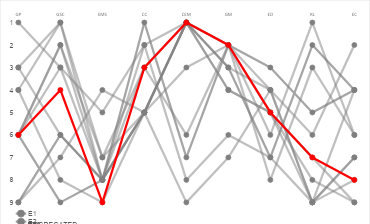
Fig. 2. Ranking stability and expert consensus
6.2 Sensitivity Analysis
Fig. 3 presents a multi-scenario sensitivity analysis to test the robustness of the derived priorities. By shifting the weights of G1, G2, and G3 by ±20% across twelve scenarios, the ranking schema proved highly stable. Notably, CEM, GM (the dominant metrics), and EMS (the lowest-ranked indicator) showed no positional changes. The system was most sensitive to changes in G1, resulting in marginal shifts in Green Purchasing. In contrast, variations in G2 and G3 left the main structure undisturbed, with only minor rank swaps bounded by a -0.05 threshold (Ranks 3-4 for G2 and Ranks 5-6 for G3). These trends confirm that the framework is robust to minor variations in expert judgments, ensuring its reliability for practical managerial applications.
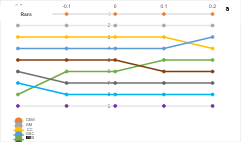
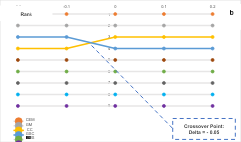
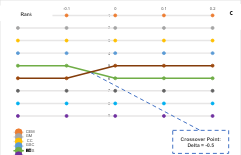
Fig. 3. Sensitivity analysis iterations across main criteria adjustments:
(a) G1 weight variations; (b) G2 weight variations; (c) G3 weight variations.
7. Discussion
The pronounced weight concentrated in Customer and Market Collaboration (G2 = 0.605) reflects a broader evolution toward customer-centric green supply chain configurations, where compliance with external environmental mandates dictates market survival (Zhu & Sarkis, 2007; Vachon & Klassen, 2008). For developing-economy SMEs, strategic resource allocation should therefore prioritize customer environmental monitoring and outward-facing green marketing, leveraging supplier cooperation and eco-design as supporting tactical axes. This downstream prioritization likely stems from resource endowment constraints. Unlike larger firms capable of maintaining expansive supplier-compliance mechanisms (Larrán Jorge et al., 2016), smaller enterprises must prudently focus on customer alignment. This nuance is noted conditionally. As the expert panel lacked formal stratification by firm size, this pattern remains suggestive rather than statistically definitive. The rigid stability of the extreme ranks (1, 2, and 9) throughout sensitivity testing confirms that this expert consensus is mathematically resilient. Managerially, this evidence discredits uniform, undifferentiated GSCM implementation models. Executives should instead adopt a prioritized framework: executing customer monitoring and green marketing as primary strategic drivers, deploying supplier cooperation and eco-design as secondary pillars, relegating the remaining criteria to a loop-completing role, while maintaining operational elasticity to absorb evolving regulatory signals.
8. Conclusion
This study advances the GSCM literature by shifting the empirical focus from internal operational metrics to external network connectivity and relational governance capabilities. For emerging-market SMEs operating under stringent financial and technological constraints, assessing the capacity to interact, learn, and integrate within global value chains offers a pragmatic diagnostic tool. Organizing GSCM external capabilities into three operational clusters and synthesizing 11 expert judgments via AHP shows that Customer and Market Collaboration dominates the hierarchy, driven primarily by Customer Environmental Monitoring, Green Marketing, and Customer Collaboration. In practice, these insights provide SME executives with a non-linear framework for resource allocation. Rather than distributing capital evenly, firms must use customer-facing ecological demands as their primary strategic compass and eco-design and upstream cooperation as core tactical levers. Despite its methodological rigor, the study has certain limitations. The 11-expert panel, while fully compliant with AHP mathematical conventions, may not capture the full industrial heterogeneity of a transitional economy. Furthermore, because the panel lacked structural stratification by firm size, the observed priority shifts between smaller and larger enterprises are best interpreted as conceptual postulates rather than statistically definitive comparative findings. Recognizing these limitations, future research trajectories should employ the Analytic Network Process to formally map internal feedback loops among criteria, alongside larger, sector-stratified samples to validate these weights across broader regional jurisdictions.
References
Ajike, E.O., Olubiyi, T.O., Akande, F.I., Ayo, M.F. and Kwarbai, J.D. (2025) 'Blockchain technology adoption and sustainability performance of SMEs', pp. 150–175. Available at: https://www.taylorfrancis.com/chapters/edit/10.4324/9781003585695-8/blockchain-technology-adoption-sustainability-performance-smes-emmanuel-ajike-timilehin-olasoji-olubiyi-folorunso-akande-mofoluwake-ayo-jerry-kwarbai (Accessed: 15 July 2026).
AlBrakata, N.S.A., Al-Hawary, S.I.S. and Muflih, S.M. (2023) 'The effect of green supply chain on the export performance of the Jordanian pharmaceutical industry', Uncertain Supply Chain Management, 11, pp. 613–624. doi: 10.5267/j.uscm.2023.2.003.
Al-Ghwayeen, W.S. and Abdallah, A.B. (2018) 'Green supply chain management and export performance: the mediating role of environmental performance', Journal of Manufacturing Technology Management, 29(7), pp. 1233–1252. doi: 10.1108/JMTM-03-2018-0079.
Anand, K.R., Ramalingaiah and Parthiban, P. (2014) 'Fuzzy quantitative approach to prioritize green factors in supply chain', Applied Mechanics and Materials, 592–594, pp. 2645–2653. doi: 10.4028/www.scientific.net/AMM.592-594.2645.
Aunyawong, W., Waiyawuththanapoom, P., Thitart, P., Kerdpitak, C., Vaiyavuth, R., Sritapanya, K. and Shaharudin, M.R. (2024) 'The effect of green supply chain management practices on performances of herb manufacturers in Thailand', Uncertain Supply Chain Management, 12, pp. 417–424. doi: 10.5267/j.uscm.2023.9.010.
Bolaji, B.H., Abdul Rahim, M.K.I. and Omar, S. (2024) 'Environmental factors and adoption of green supply chain management among SMEs in Nigeria: moderating role of environmental uncertainty', International Journal of Energy Economics and Policy, 14(1), pp. 640–650. doi: 10.32479/ijeep.15456.
Burnard, M., Tavzes, Č., Tošić, A., Brodnik, A. and Kutnar, A. (2015) 'Environmental implications of recycling and recycled products', in Environmental Footprints and Eco-design of Products and Processes. doi: 10.1007/978-981-287-643-0-1.
Dhull, S. and Narwal, M.S. (2016) 'Drivers and barriers in green supply chain management adaptation: a state-of-art review', Uncertain Supply Chain Management, 4, pp. 61–76. doi: 10.5267/j.uscm.2015.7.003.
Gadgil, M. (2024) 'The role of green supply chain management in enhancing corporate sustainability performance', Universal Research Reports, 11(4), pp. 175–180. doi: 10.36676/urr.v11.i4.1347.
Geng, R., Mansouri, S.A. and Aktas, E. (2017) 'The relationship between green supply chain management and performance: a meta-analysis of empirical evidences in Asian emerging economies', International Journal of Production Economics, 183, pp. 245–258. doi: 10.1016/j.ijpe.2016.10.008.
Green, K.W., Zelbst, P.J., Bhadauria, V.S. and Meacham, J. (2011) 'Do environmental collaboration and monitoring enhance organizational performance?', Industrial Management & Data Systems, 112(2), pp. 186–205. doi: 10.1108/02635571211204254.
Khan, S.A.R., Ahmad, Z., Sheikh, A.A. and Yu, Z. (2024) 'Green technology adoption paving the way toward sustainable performance in circular economy: a case of Pakistani small and medium enterprises', International Journal of Innovation Science, 16(5), pp. 801–822. doi: 10.1108/IJIS-10-2022-0199.
Kim, S.T., Lee, H.H. and Lim, S. (2021) 'The effects of green SCM implementation on business performance in SMEs: a longitudinal study in electronics industry', Sustainability, 13(21), p. 11874. doi: 10.3390/su132111874.
Kirchoff, J.F., Tate, W.L. and Mollenkopf, D.A. (2016) 'The impact of strategic organizational directions on green supply chain management and company performance', International Journal of Physical Distribution & Logistics Management, 46(3), pp. 269–292. doi: 10.1108/IJPDLM-03-2015-0055.
Laosirihongthong, T., Adebanjo, D. and Tan, K.C. (2013) 'Green supply chain management practices and performance', Industrial Management & Data Systems, 113(8), pp. 1088–1109. doi: 10.1108/IMDS-04-2013-0164.
Larrán Jorge, M., Herrera Madueno, J., Lechuga Sancho, M.P. and Martínez-Martínez, D. (2016) 'Development of corporate social responsibility in small and medium-sized enterprises and its nexus with quality management', Cogent Business & Management, 3(1), p. 1228569. doi: 10.1080/23311975.2016.1228569.
Leonidou, L.C., Katsikeas, C.S., Fotiadis, T.A. and Christodoulides, P. (2012) Internal and external drivers of green export business strategy: their impact on competitive advantage and performance. Available at: https://www.researchgate.net/publication/235434983 (Accessed: 6 November 2025).
Luthra, S., Kumar, V., Kumar, S. and Haleem, A. (2011) 'Barriers to implement green supply chain management in automobile industry using interpretive structural modeling technique: an Indian perspective', Journal of Industrial Engineering and Management, 4(2), pp. 231–257. doi: 10.3926/jiem.2011.v4n2.p231-257.
Mollenkopf, D., Stolze, H.J., Tate, W.L. and Ueltschy, M. (2010) 'Green, lean, and global supply chains', International Journal of Physical Distribution & Logistics Management, 40(1/2), pp. 14–41. doi: 10.1108/09600031011018028.
Olekanma, O., Rodrigo, L.S., Adu, D.A. and Gahir, B. (2024) 'Small- and medium-sized enterprises' carbon footprint reduction initiatives as a catalyst for green jobs: a systematic review and comprehensive business strategy agenda', Business Strategy and the Environment, 33(7), pp. 6911–6939. doi: 10.1002/bse.3846.
Paletta, A., Scarpi, D., Alimehmeti, G. and Foschi, E. (2026) 'From motivation to implementation: a firm-level model of customer-oriented green actions', Journal of Cleaner Production, 538, p. 147273. doi: 10.1016/j.jclepro.2025.147273.
Park, S.R., Kim, S.T. and Lee, H.H. (2022) 'Green supply chain management efforts of first-tier suppliers on economic and business performances in the electronics industry', Sustainability, 14(3), p. 1836. doi: 10.3390/su14031836.
Pehlivan, N.Y., Paksoy, T. and Çalik, A. (2018) 'Comparison of methods in FAHP with application in supplier selection', in Fuzzy Analytic Hierarchy Process. Boca Raton, FL: CRC Press, pp. 67–98. doi: 10.1201/9781315369884.
Phonthanukitithaworn, C., Srisathan, W.A., Worakittikul, W., Inthachack, M., Pancha, A. and Naruetharadhol, P. (2024) 'Conceptualising the effects of green supply chain on firms' propensity for responsible waste disposal practices in emerging markets', International Journal of Sustainable Engineering, 17(1), pp. 429–447. doi: 10.1080/19397038.2024.2358895.
Rao, P. and Holt, D. (2005) 'Do green supply chains lead to competitiveness and economic performance?', International Journal of Operations & Production Management, 25(9), pp. 898–916. doi: 10.1108/01443570510613956.
Saaty, T.L. and Vargas, L.G. (2012) Models, methods, concepts and applications of the analytic hierarchy process. Boston, MA: Springer US (International Series in Operations Research & Management Science). doi: 10.1007/978-1-4614-3597-6.
Sarwara, A., Zafar, A., Hamza, M.A. and Qadir, A. (2021) 'The effect of green supply chain practices on firm sustainability performance: evidence from Pakistan', Uncertain Supply Chain Management, 9, pp. 31–38. doi: 10.5267/j.uscm.2020.12.004.
Setyaning, L.B., Wiguna, I.P.A. and Rachmawati, F. (2020) 'Developing activities of green design, green purchasing, and green transportation as the part of green supply chain management in construction sector', IOP Conference Series: Materials Science and Engineering, 930, p. 012001. doi: 10.1088/1757-899X/930/1/012001.
Seuring, S. and Müller, M. (2008) 'From a literature review to a conceptual framework for sustainable supply chain management', Journal of Cleaner Production, 16(15), pp. 1699–1710. doi: 10.1016/j.jclepro.2008.04.020.
Shahlan, M.Z., Sidek, A.A., Suffian, S.A., Hazza, M.H.F.A. and Daud, M.R.C. (2018) 'An examination on the influence of small and medium enterprise (SME) stakeholder on green supply chain management practices', IOP Conference Series: Materials Science and Engineering, 290(1), p. 012059. doi: 10.1088/1757-899X/290/1/012059.
Singh, V.K., Keshari, A., Singh, D., Singh, P.C. and Gautam, A. (2024) 'Green export strategies and SMEs' export performance: mediating roles of innovation, readiness, and activities', Journal of Innovation and Entrepreneurship, 13(87). doi: 10.1186/s13731-024-00451-y.
Srivastava, S.K. (2007) 'Green supply chain management: a state-of-the-art literature review', International Journal of Management Reviews, 9(1), pp. 53–80. doi: 10.1111/j.1468-2370.2007.00202.x.
Tran, H.L., Hoang, N.T., Do, V.V., Nguyen, T.D., Nguyen, V.H., Phan, T.T.H. and Doan, T.D.U. (2022) 'Impact of green supply chain management on competitive advantage and firm performance in Vietnam', Uncertain Supply Chain Management, 10(4), pp. 1175–1190. doi: 10.5267/j.uscm.2022.8.010.
Vachon, S. and Klassen, R.D. (2008) 'Environmental management and production performance: the role of collaboration in the supply chain', International Journal of Manufacturing Economics, 111(2), pp. 299–315. doi: 10.1016/j.ijpe.2006.11.030.
Wongthongchai, J. and Saenchaiyathon, K. (2019) 'The key role of institution pressure on green supply chain practice and the firm's performance', Journal of Industrial Engineering and Management, 12(3), pp. 432–446. doi: 10.3926/jiem.2994.
Zaid, A.A. and Sleimi, M. (2021) 'Effect of total quality management on business sustainability: the mediating role of green supply chain management practices', Journal of Environmental Planning and Management. doi: 10.1080/09640568.2021.1997730.
Zhu, Q. and Sarkis, J. (2004) 'Relationships between operational practices and performance among early adopters of green supply chain management practices in Chinese manufacturing enterprises', Journal of Operations Management, 22(3), pp. 265–289. doi: 10.1016/j.jom.2004.01.005.
Zhu, Q., Sarkis, J. and Lai, K. (2007) 'The moderating effects of institutional pressures on emergent green supply chain practices and performance', International Journal of Production Research, 45(18–19), pp. 4989–5015. doi: 10.1080/00207540701440345.
Zhu, Q., Sarkis, J. and Lai, K. (2008) 'Confirmation of a measurement model for green supply chain management practices implementation', International Journal of Production Economics, 111(2), pp. 261–273. doi: 10.1016/j.ijpe.2006.11.029.
Zizi, M., Bajjou, M.S., Chafi, A. and El Hammoumi, M. (2024) 'Integrating Industry 4.0 into Moroccan supply chain management: technologies, transformations, and trends', 2024 3rd International Conference on Embedded Systems and Artificial Intelligence (ESAI), Fez, Morocco, 2024, pp. 1–9. doi: 10.1109/ESAI62891.2024.10913633.